The King of Cocanha
Hi, Babbo, how are you?
Look at me, writing to you again. It’s been a while since I last sent you a letter — and this one is already late. A few weeks ago, our Praia da Cocanha was chosen to represent Brazil in the Best Tourism Villages awards by — yes — the United Nations World Tourism Organization.
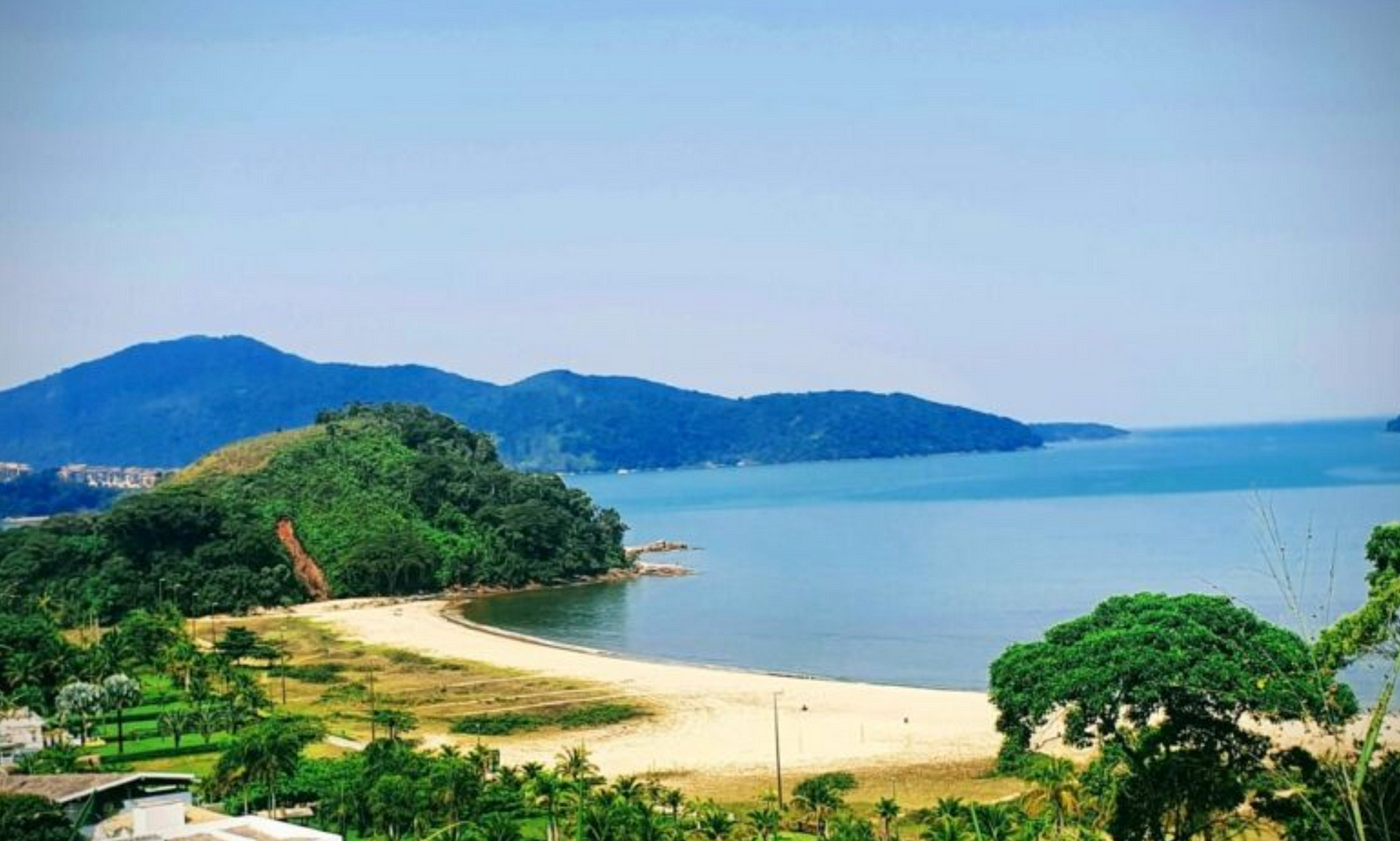
This award recognizes places that promote sustainable tourism while celebrating local culture and community involvement.
So here we are, Babbo: our beloved Cocanha getting international attention. That same beach where we swam together in that green, embracing sea. The one that gave us so much love, laughter, and comfort in times of solitude and pain.
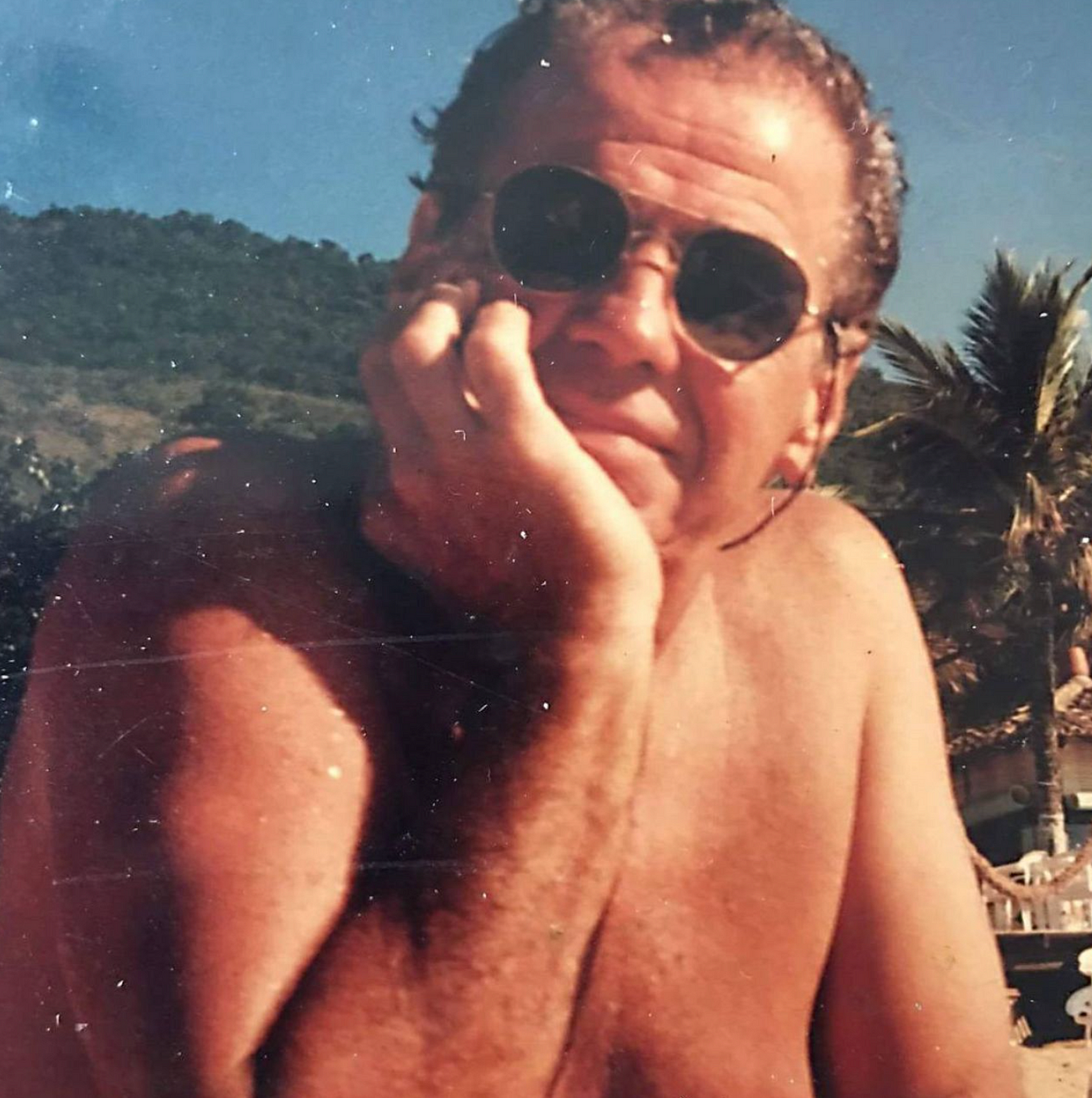
It’s also where you now dwell. In your final act on Earth, you became the waters of Cocanha. And every time I return to Brazil, the first thing I long for is to dive into you — to descend the Tamoios road, drop my bags at our house, and head straight to the shore. To submerge myself in Babbo. To refill on love, salt, and wisdom.
The world is a little strange these days, Babbo. It’s hard to understand how so many people pour their energy into harming others — or themselves. That’s why I believe this award is so important: because there are still oases in the world where we can unplug and reconnect. Places that allow us to re‑humanize — and how badly we need that.
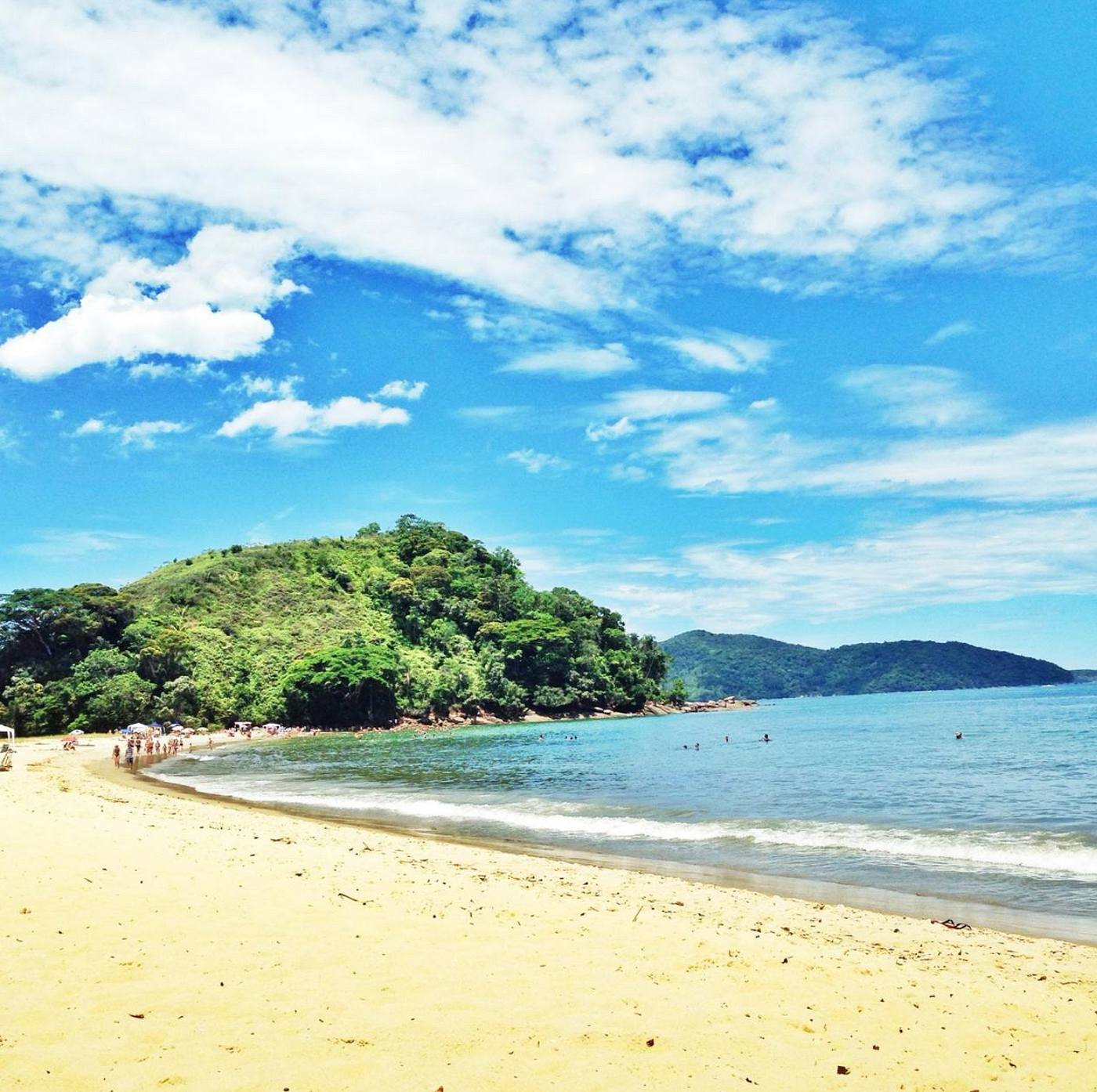
And Cocanha is one of those oases. Something we always knew.
I’ll never forget the times I suggested we travel more. You would smile and say:
“Figliola, I’ve already seen a fair bit of the world. Maybe not as much as most people, but enough for me…”
You’d pause for a moment, take in the view, and then, pointing to it as if inviting me to see through your eyes, you’d add:
“Look at this. Look at this perfection. For me, this is one of the most beautiful places on Earth. And I don’t need anything else.”
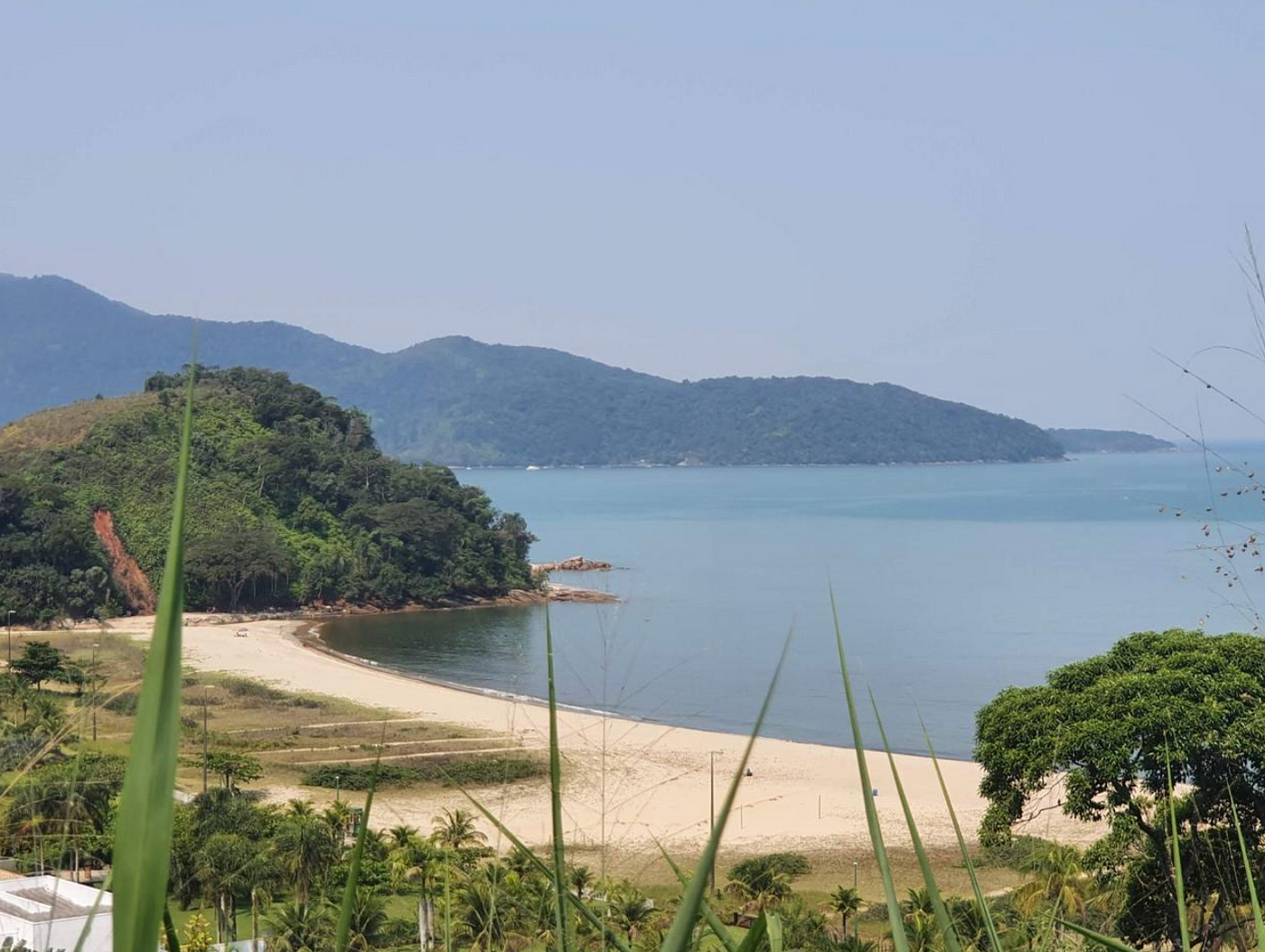
In that one minute, you’d give me a masterclass in wisdom, humility, presence, and contentment. How can someone be so content with what they already have? In a world where no one ever seems satisfied?
You and Cocanha — you had that. You were enough.
I wish your contentment could have been bottled. Or taught in schools. What I see most today — and I include myself in this — are people constantly chasing something more, escaping the now. Even the most sacred experiences have become mere backdrops for staged photos. Nothing feels real anymore. And in this fabricated narrative, there’s no space for true satisfaction.
But you were satisfied. With what you had. What you ate. What you drank. What you laughed about. What you cried about. One of the greatest lessons I ever received was yours: that we must be princes and princesses of our own goblet.
“Figliola, I see people buying glasses they can’t afford. And then, when the glass breaks, they lash out, get angry, blame whoever broke it, cut them out of their lives… that’s when the thing becomes bigger than the person. The object becomes more important than the human being. That’s dangerous.
People dream of cars, furniture, belongings — but you should never buy anything that’s worth more than your peace of mind. If it breaks or disappears, you shouldn’t suffer. You should be able to replace it without resentment. After all, it’s just a thing.
Buy wine glasses that can break. Buy plates, sofas, and TVs that can get scratched or stained. A prince has crystal goblets and can break as many as he pleases, because the goblet serves him. Never the other way around.
Nothing — nothing — should ever be more important than a person of flesh and bone.”
If there’s anything more noble than this lesson, I haven’t heard it yet. We should print it on T‑shirts. Turn it into posters. A national campaign: “The Teachings of Babbo, King of Cocanha.”
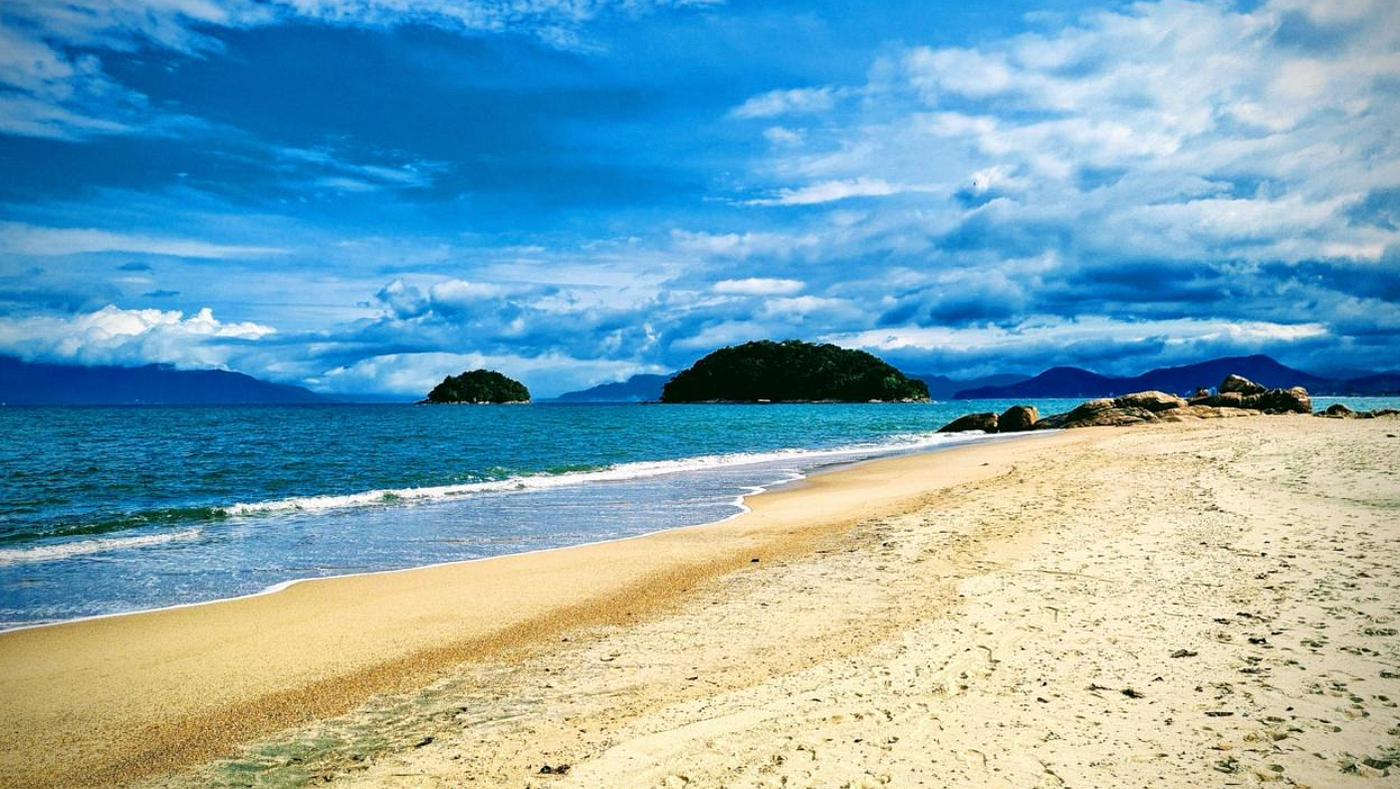
By the way, the name of our not-so-private paradise — Cocanha — comes from an ancient idea. According to Cocanha: várias faces de uma utopia (Cocanha: The Many Faces of a Utopia) by Hilário Franco Jr., Cocanha was an imagined land of abundance. A place where food, drink, and pleasure fell from the sky. Where no one worked. Where everyone stayed young, free, and carefree. A collective fantasy of a life without scarcity, without effort, without fear.
And you, Babbo, while you lived in our Cocanha, were its king. A king who taught us how to live with presence, passion — and joy, all the way to the end.
Excerpt from O Encantador de Pessoas (The People Whisperer)
by Liv Soban
“The first memory I have of my life is Cocanha. Praia da Cocanha. If there’s something that has always existed in my mind, it’s that clear sand and the calm, tropical green sea — one of the most beautiful in Caraguatatuba, on the northern coast of São Paulo state. Far from the city center, with large summer homes and inns, Cocanha sits between Praia do Massaguaçu and Praia da Mococa, with two small islands in front and Ilha do Tamanduá in the distance.
The funny thing is that Cocanha always brings me good feelings. Even in sad moments, she’s been a constant character in our stories. She embraces, soothes, balances, and brings us back to smiling.
When people ask if I have a home — a place that feels like home — it’s Cocanha. That’s where my heart expands, and my soul finds peace.
There’s a moment, just before summer, when the sea becomes perfect. Not too hot, not too cold. Slightly thick, a green so clear it turns golden with the reflection of the sand. When you enter that sea, you feel hugged. When you dive into that sea, everything makes sense. Time disappears. Life slows down. There are no wars, no hunger, no injustice. In Cocanha, there’s nothing but happiness and love.”
Article published in Portuguese: https://radioc2.com/um-amor-que-virou-mar/
Source:
https://saopaulosecreto.com/praia-cocanha-best-tourism-villages/

 A "Caiçara" in the Windy City
Deixe um comentário